
Okay, so check this out—Phantom has become the go-to browser extension for a lot of Solana users. Whoa! It feels fast. It feels slick. But speed alone doesn’t make a wallet safe. Initially I thought an easy install was all that mattered, but then I realized how many small setup choices change your risk profile. Hmm… my instinct said “double-check everything”, and that advice stuck. I’m biased, but I also care about making this practical and usable for normal folks who just want to trade, stake, or collect NFTs without pulling their hair out.
First impressions: the extension UI is clean and friendly. Seriously? Yes. It asks for the usual things—seed phrase creation, password setup, optional biometric unlock on some platforms. On the other hand, there’s a bunch of nuance under the hood, and some of it bugs me (phishing tabs, malicious airdrops, etc.). So here’s a walkthrough that mixes quick how-to steps with security-minded reasoning, plus tips from real-world usage (like using an extra browser profile for DeFi, oh, and by the way… it helps).
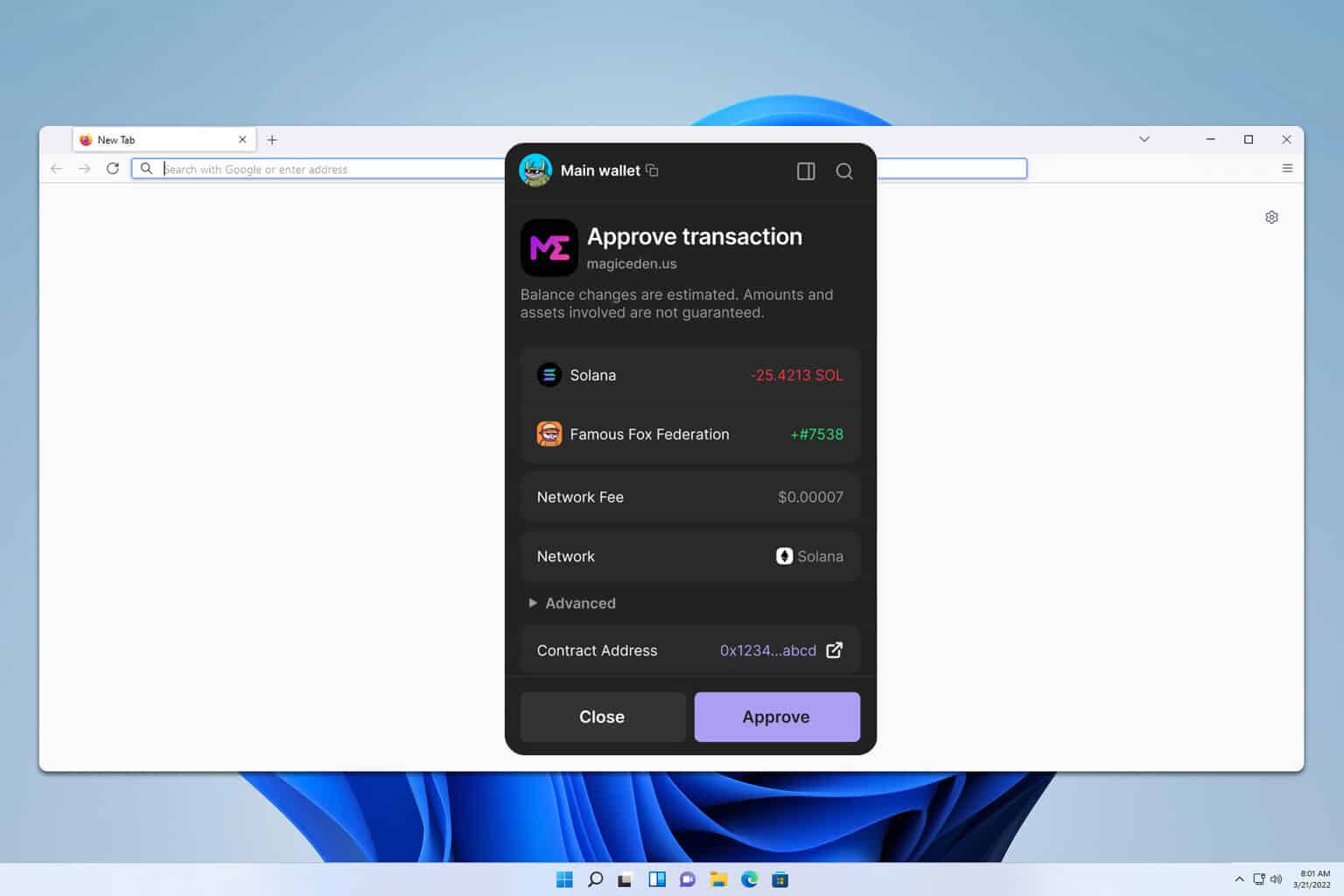
What Phantom Extension Actually Is
Phantom is a non-custodial Solana wallet that runs as a browser extension. Short sentence. You keep your own keys. You sign transactions locally. That matters because it means if someone gets your device, they still need your password or seed phrase to move funds—though that’s not a cure-all. On one hand it’s convenient for clicking “Connect” to dApps; on the other hand, convenience invites risk. Actually, wait—let me rephrase that: convenience is great for everyday use, but you must pair it with good hygiene and occasional skepticism.
How to Download and Install Safely
Start by grabbing the extension from the official source. For convenience, you can visit the official Phantom extension page here: phantom wallet. Short, clear step: verify the developer name in the store, check reviews, and make sure there aren’t similarly named impostors. My rule of thumb—look for the verified badge and double-check the extension ID if you know how (advanced users only).
Install it in the browser profile you use for crypto. Don’t mix your regular browsing profile with high-risk activity. Why? Because a compromised extension or a malicious website could target saved sessions. I’m not trying to scare you—I’m just being practical. Something felt off about using the same profile for everything, so I split mine. It works better.
Initial Setup: Seed Phrase, Password, and Recovery
When Phantom asks you to create a seed phrase, write it down on paper. Seriously. Not on a text file. Not in cloud notes. Paper. Put it somewhere safe—like a fireproof box if you have it. Short reminder. Create a strong password for the extension lock too. If your browser supports hardware key integration later, consider adding that.
Initially I thought backing up to multiple cloud locations made sense. Then I realized that multiplie online backups raise surface area for theft. On the flip side, storing it in one place increases single-point-of-failure risk. So here’s a balanced approach: primary paper backup and a second secure physical copy (or a reputable hardware wallet for larger sums). I’m not 100% perfect on storage—I’ve changed my method over time—but this method has saved me stress.
Using Phantom with DeFi and dApps
Connecting to dApps is usually a single click. Short sentence. Phantom shows permissions before you approve a connection. Look at those permissions. Really look. Some requests are harmless—read-only account info—while others may request transaction signing. Pause before you approve big things.
Swap tokens inside Phantom or via a connected DEX. Fees on Solana are low, which means you can test small amounts without losing much. That said, always test with a tiny amount first—like a few dollars equivalent. On one hand it reduces stress; on the other hand it helps you observe unexpected behaviors (wrong token addresses, slippage issues). Also: enable notifications and review activity logs often. Those logs tell stories about stray approvals you might’ve forgotten.
Staking, NFTs, and Day-to-Day Tricks
Staking is straightforward: delegate to a validator through Phantom’s interface. Validators differ in commission and reliability. Pick one with decent uptime. I’m partial to validators that publish transparent infra status—maybe that’s my ops bias showing. For NFTs, Phantom shows collectibles and metadata. Beware of shady contract approvals that try to grant transfer rights; revoke them if they look unnecessary.
Quick tip—use a separate small “hot” wallet for daily trades and a larger “cold” stash for long-term holdings. It’s very very important to segment funds. If something goes wrong, you limit losses. Also, keep the extension updated; new versions patch bugs and sometimes add anti-phishing features.
Security Checklist
– Never share your seed phrase. Ever. Short sentence.
– Use a dedicated browser profile for crypto.
– Avoid using public Wi‑Fi for big transactions (like at a coffee shop in Brooklyn). Seriously, use your phone hotspot if needed.
– Review approvals in Phantom regularly, and revoke ones you don’t recognize.
– Consider a hardware wallet for large balances; Phantom supports some hardware integrations.
Initially I underestimated the value of regularly pruning approvals. Then I saw an approved contract try to drain a tiny balance on a test account and I revoked a ton of permissions. Lesson learned. I’m telling you because that experience stuck with me. Somethin’ about seeing a bad transaction mid-sign caught me off-guard.
FAQ
Is Phantom free to use?
Yes. The extension is free. Transactions on Solana still incur tiny network fees, but Phantom itself doesn’t charge you to use the wallet UI. There can be optional fees when swapping through aggregator services, depending on liquidity and slippage.
Can I recover my wallet if I lose my computer?
Yes, with your seed phrase. Restore by selecting “Restore Wallet” in the extension and entering the seed phrase. If you lose both device and seed phrase, recovery is not possible—because Phantom is non-custodial.
What if I accidentally connected Phantom to a malicious site?
Disconnect immediately, revoke permissions, and move any substantial funds to a new wallet after creating a fresh seed phrase. Small test transfers can confirm safety for future use. I’m not trying to be alarmist—just practical: act fast and limit exposure.
Okay, final thought—Phantom makes Solana approachable. It smooths the onboarding friction that used to scare people off blockchain stuff. Still, don’t be casual about security. Be curious, ask questions, and practice basic hygiene. Something about that mix of caution and curiosity keeps me using Phantom for experimenting with DeFi, while keeping the heavy stuff locked away offline. Hmm… that’s about it. Go try a tiny swap and see how it feels—carefully.
